|
Welcome to our spring newsletter. Read news and updates from around the garden - and don’t miss our spring social on Sunday 8 October.͏ ͏ ͏ ͏ ͏ ͏ ͏ ͏ ͏ ͏ ͏ ͏ ͏ ͏ ͏ ͏ ͏ ͏ ͏ ͏ ͏ ͏ ͏ ͏ ͏ ͏ ͏ ͏ ͏ ͏ ͏ ͏ ͏ ͏ ͏ ͏ ͏ ͏ ͏ ͏ ͏ ͏ ͏ ͏ ͏ ͏ ͏ ͏ ͏ ͏ ͏ ͏ ͏ ͏ ͏ ͏ ͏ ͏ ͏ ͏ ͏ ͏ ͏ ͏ ͏ ͏ ͏ ͏ ͏ ͏ ͏ ͏ ͏ ͏ ͏ ͏ ͏ ͏ ͏ ͏ ͏ ͏ ͏ ͏ ͏ ͏ ͏ ͏ ͏ ͏ ͏ ͏ ͏ ͏ ͏ ͏ ͏ ͏ ͏ ͏ ͏ ͏ ͏ ͏ ͏ ͏ ͏ ͏ ͏ ͏ ͏ ͏ ͏ ͏ ͏ ͏ ͏ ͏ ͏ ͏ ͏ ͏ ͏ ͏ ͏ ͏ ͏ ͏ ͏ ͏ ͏ ͏ ͏ ͏ ͏ ͏ ͏ ͏ ͏ ͏ ͏ ͏ ͏ ͏ ͏ ͏ ͏ ͏ ͏ ͏ ͏ ͏ ͏ ͏ ͏ ͏ ͏ ͏ ͏ ͏ ͏ ͏ ͏ ͏ ͏ ͏ ͏ ͏ ͏ ͏ ͏ ͏ ͏ ͏ ͏ ͏ ͏ ͏ ͏ ͏ ͏ ͏ ͏ ͏ ͏ ͏ ͏ ͏ ͏ ͏ ͏ ͏ ͏ ͏ ͏ ͏ ͏ ͏ ͏ ͏ ͏ ͏ ͏ ͏ ͏ ͏ ͏ ͏ ͏ ͏ ͏ ͏ ͏ ͏ ͏ ͏ ͏ ͏ ͏ ͏ ͏ ͏ ͏ ͏ ͏ ͏ ͏ ͏ ͏ ͏ ͏ ͏ ͏ ͏ ͏ ͏ ͏ ͏ ͏ ͏ ͏ ͏ ͏ ͏ ͏ ͏ ͏ ͏ ͏ ͏ ͏ ͏ ͏ ͏ ͏
|
Welcome to our latest newsletter. What happened to winter? Suddenly it’s
spring – such a lovely time to be in the garden! DATES FOR YOUR DIARIESSPRING SOCIAL – 2pm, Sunday 8 October 2023: Let’s get together and celebrate spring. All welcome. Whether you’ve been actively involved in working bees, or are just interested in finding out what’s growing, hibernating or about to emerge in each garden area, do drop in for a cup of tea and a chat! We could also share some ideas about what to do with the corner of the garden beside the shed.
|
|
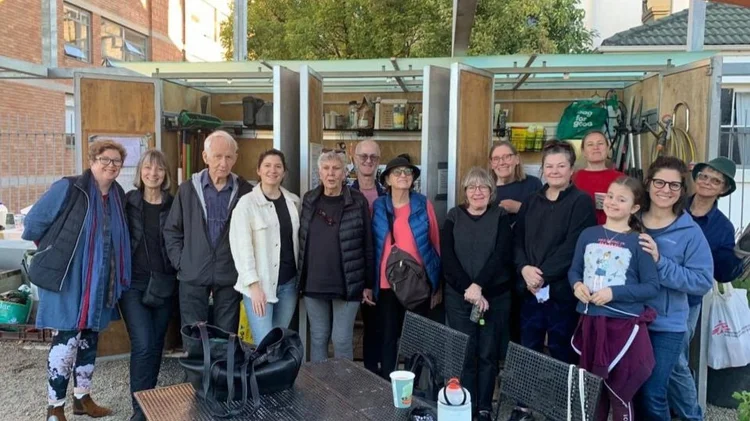
Our winter meet-up in June was both fun and productive, re-imposing some order on the shed contents. And since spring is most definitely upon us, we thought we should do it again.
|
|
ANNUAL GENERAL MEETING – 6.30pm, Monday 20 November: Formal notice will be sent out closer to the date, but given it’s such a busy time, why not put this in your diary now? The venue will be the Reginald Murphy Community Centre in Greenknowe Ave. The AGM is a great opportunity to contribute to the direction of the garden, and if you’d like to join the committee, this is your chance – get in touch if you’d like to find out more about what’s involved. We need you!
|
MEMBERSHIP RENEWALS DUEBy now, you should have received an invoice for your 2023/24 renewal fee – as well as a reminder if this is still outstanding. Please contact us if you haven’t got the email. If we don’t hear from you by 1 November, we’ll assume you don’t wish to renew and will cancel your membership. The garden’s success is of course underpinned by volunteer labour – all those hours from active members are invaluable. But membership fees are also important. They are the only source of regular income for the garden, and allow us to buy seeds and other supplies, as well as cover our minimal administrative costs.
|
|
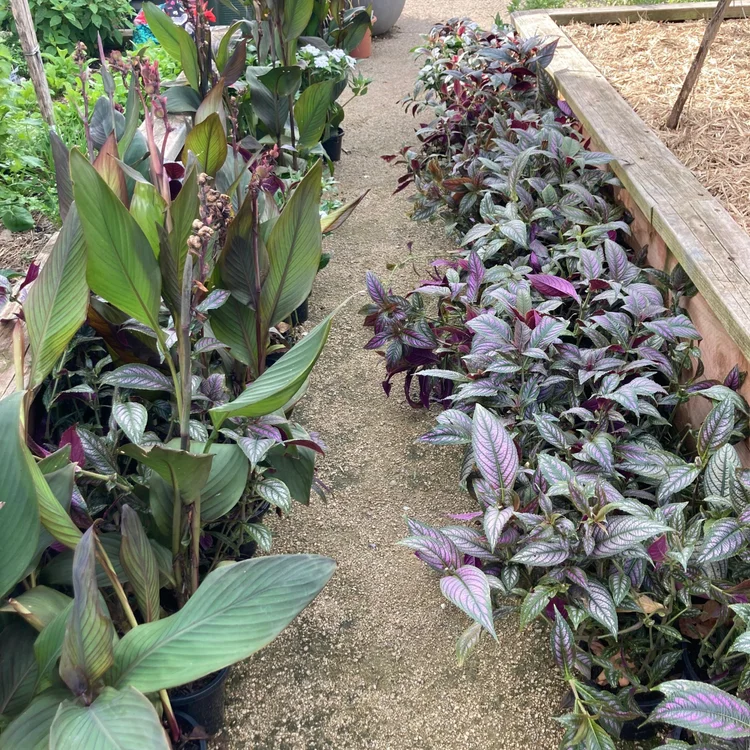
Council plant distribution Back in April, we helped distribute about 100 plants from the City of Sydney’s living colour displays free to the community. It took only a couple of days for these impatiens, purple shield plants and canna lilies to find new homes with grateful locals. |
|
|
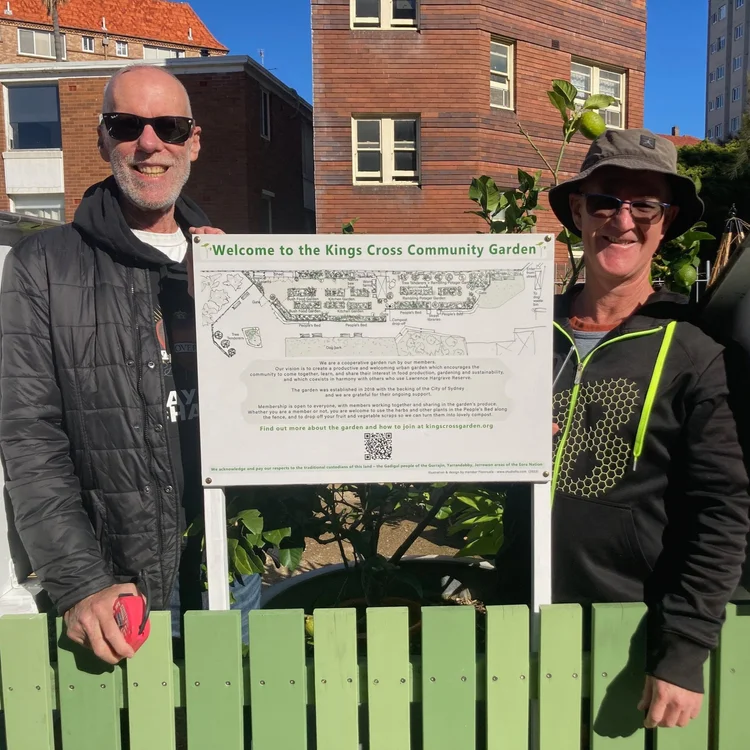
New sign You might have noticed the new sign that went up in May between the two street libraries. It introduces the garden, complete with a map, and provides a link to our website for more information. Thanks to committee member Fionnuala Heidenrich for design and to Paul McNeilly and Grant Doyle for installation. |
|
|
|
|
Compost We’re in the process of reviewing our compost systems, identifying issues and compiling information to ensure we can make the most of the organic material contributed by the community. An audit in April/May showed we’re collecting around 245 litres a week of fruit and vegetable scraps – we don’t accept meat, rice, bread or compostable plastic. Most is chopped and processed through the tumblers and large ‘gedye’ bins, with a small amount going to the worm farms. The compost working group will be reporting back to the committee in the next few months. If you’re interested in being involved, please get in touch.
|
|
In memoriam The Kings Cross Community Garden committee was sorry to hear of the death in July of Betty Hounslow, of Elizabeth Bay, a trail-blazing social activist described as a ‘force of nature’, who was an encouraging and generous supporter of our garden in the first years of its establishment. You can read her obituary in the Sydney Morning Herald.
|
AROUND THE GARDENThanks to all the hardworking members who keep the garden so beautiful and productive.
|
|
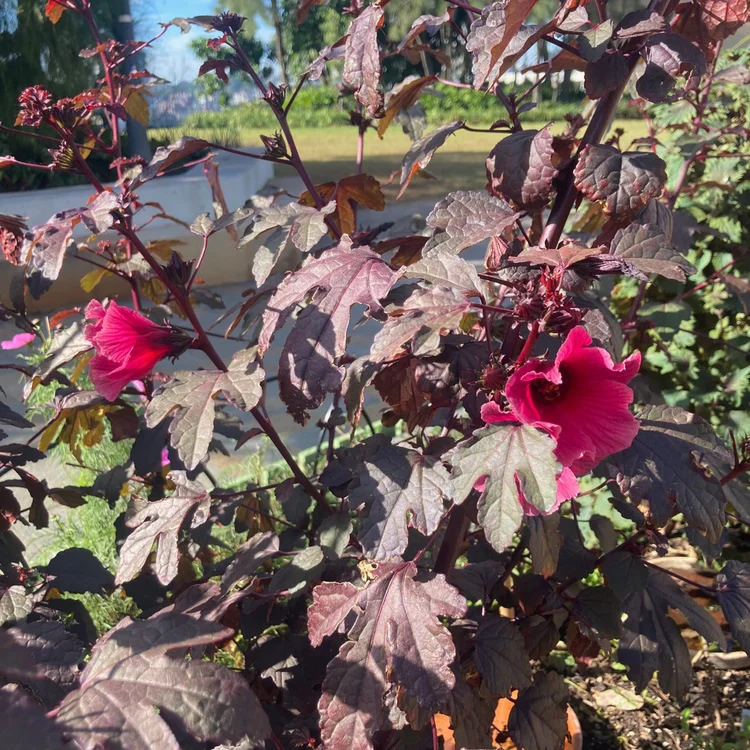
In the RAMBLING POTAGER GARDEN, the bees are buzzing, seeds are sprouting and tamarillos are ripening. Over winter, you might have noticed several handsome cranberry hibiscus plants in their all-red livery. Everything is edible from the tangy leaves, great in salads, to the red calyx and flowers. Like all hibiscus, they like a good haircut in winter. |
|
|
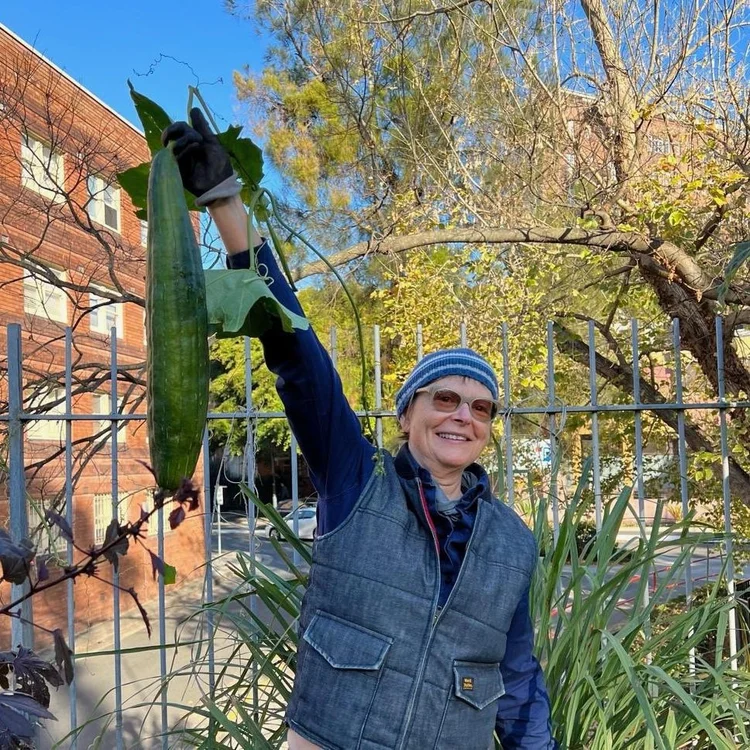
Another winter success was the loofah vine, which provided many weeks of produce. Loofahs are deliciously edible when young – a bit like a zucchini – and can be dried to become the familiar bath sponge when they grow up. This monster, proudly held aloft by Liz, is being kept for seed. |
|
|
|
|
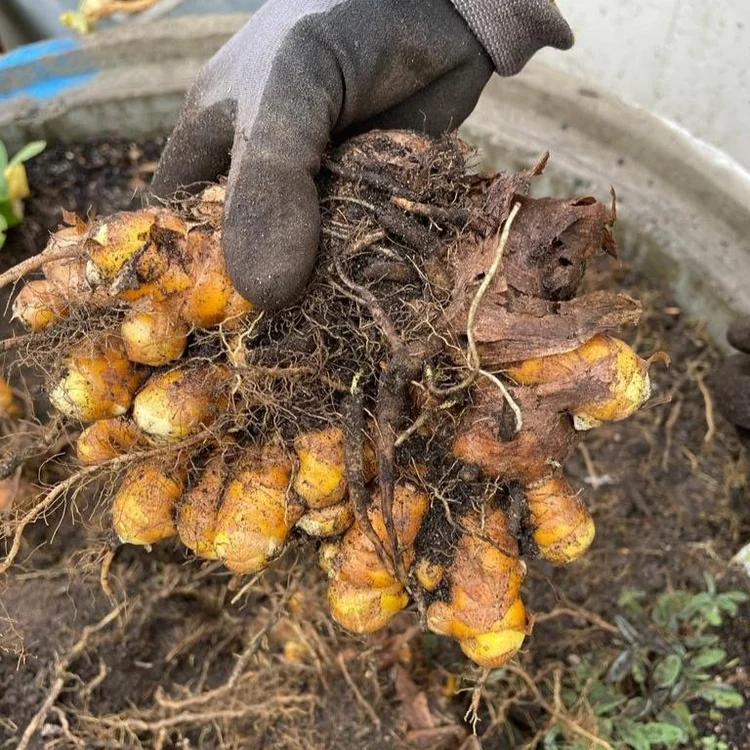
We had some good results from our rhizomes too. The horseradish multiplied well and the turmeric (pictured) was so determinedly productive that it actually split its pot! Our ginger didn’t do quite as well – it seems to prefer a more tropical climate. We’ll try again with extra compost. |
|
|
|
Spring plans include some interesting new greens – like trumpet zucchini (tromboncino) which will be trained up the fence to save space, as well as new flowers such as canary nasturtium, also a climber, with small bird-shaped yellow flowers.
|
|
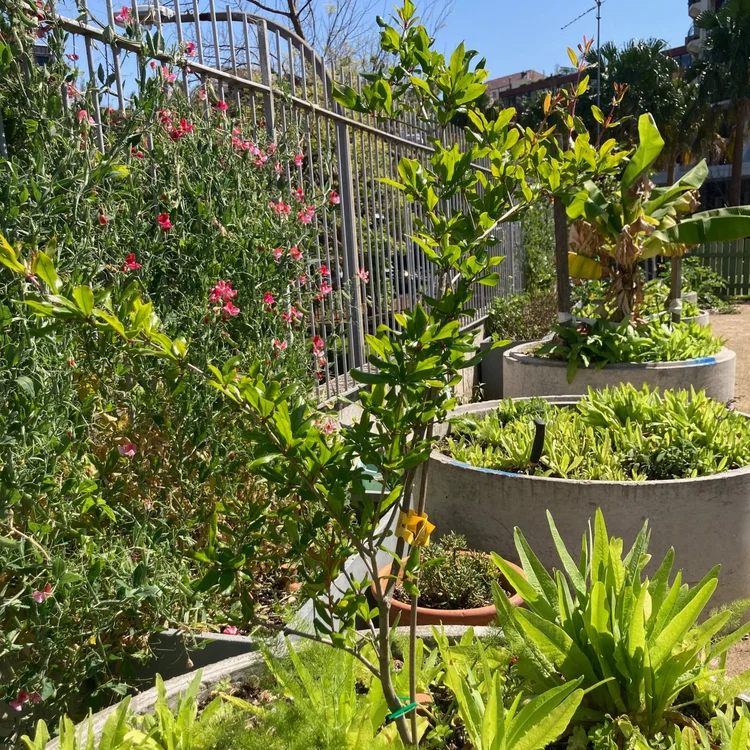
The potager team also tends the trees in the concrete planters, and has been making a few tweaks to further improve the soil. Promising new growth is starting to emerge on all the plantings as the weather warms up.
|
|
We’re still waiting for delivery of the last two trees (persimmons), but in the meantime, companion plantings of flowers, lettuces and other leafy greens are thriving. In fact there were so many lettuces to harvest in early September that member Glynis Johns was able to include them in a lunch for 50 refugees she prepares once a month for the Asylum Seekers Centre. |
|
|
|
In the KITCHEN GARDEN the last of the winter produce is being harvested, and spring planning is well underway.
|
|
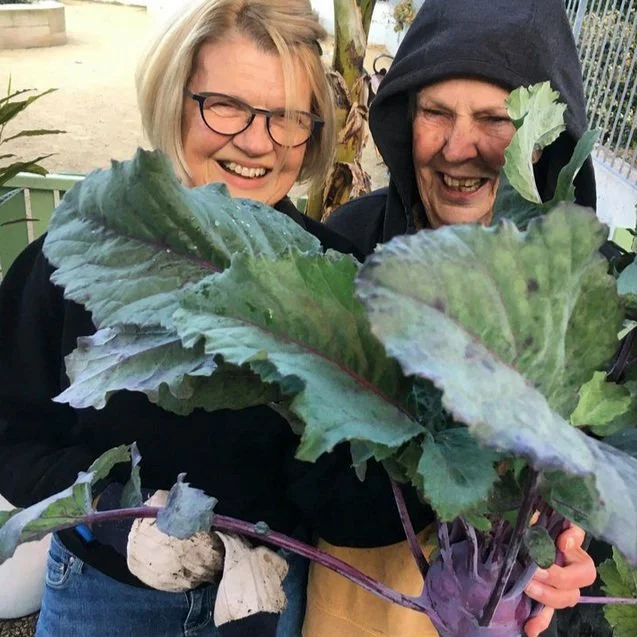
Only one of four kolhrabi plantings made it all the way to harvest, but it was a beauty (shown here with Karen and Ali, in a photo by Fionnuala)! Kohlrabi is an under-rated vegetable – it tastes great raw in salads as well as baked, mashed or steamed like potato. It’s actually a brassica, related to cabbages. |
|
|
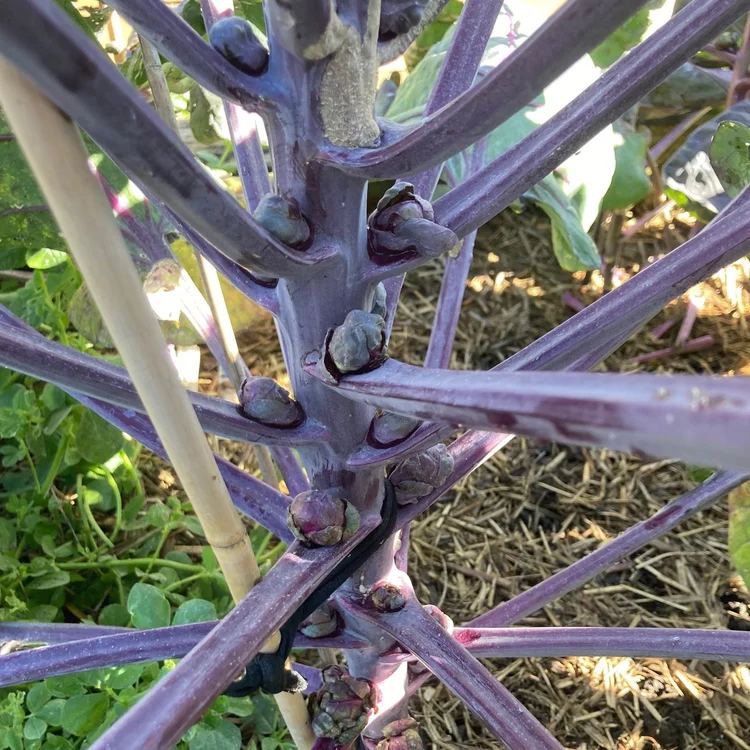
A type of brussel sprout called ‘red rib’ was a highlight this year. This variety tolerates Sydney’s more temperate winters, keeping the sprouts nice and tight, and the results were pretty delicious, as well as pretty to look at! Aphids loved them too, but we managed to keep on top of things with judicious application of water jets, and regular squashing. |
|
|
|
|
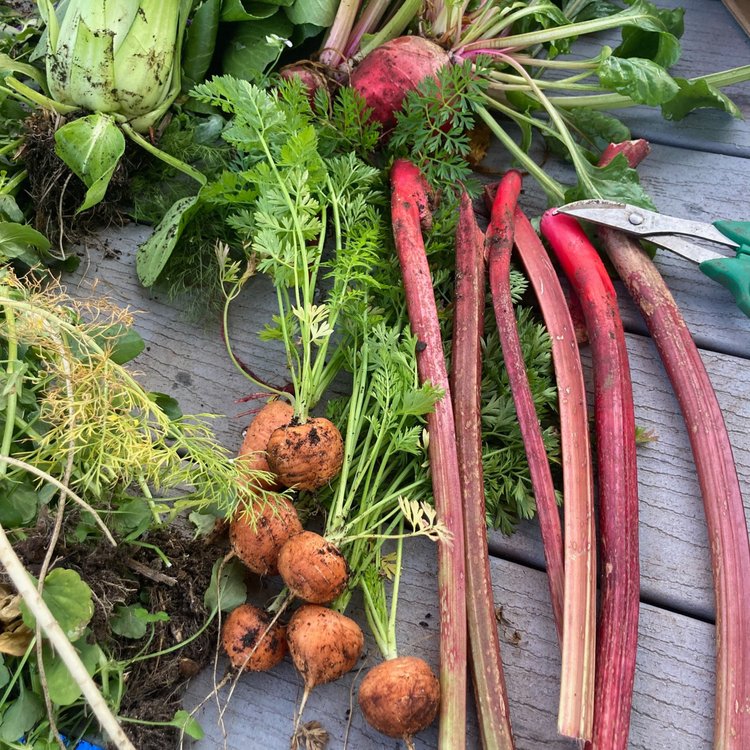
We also had success with a small crop of ‘paris market’ carrots – a variety that’s round rather than long. Cute and tasty. In the fruit department, the rhubarb in the perennial bed was ready for harvest after a year of settling in, and cape gooseberries provided tangy delight all winter. A couple of blueberry plants are also bearing some enticing-looking berries. |
|
|
|
As the weather warms, we’ve planted some interesting heirloom potato varieties that have already begun to sprout. And we’re excited about trying some different types of tomato, ready for summer salads, as well as jerusalem artichokes (sunchokes), corn, squash, beans and melon.
|
|
In the BUSH FOOD GARDEN, our 2022 plantings have been thriving, and as spring approaches many are blooming for the first time.
|
|
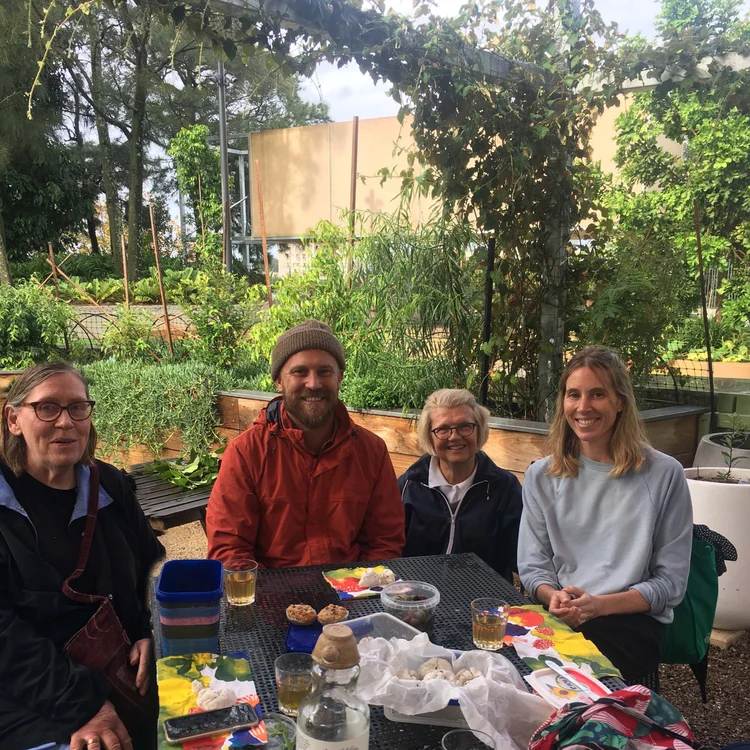
On a wet day back in March we hosted a visit from Adam Byrne, horticulturalist and co-founder of First Nations nursery Bush to Bowl in Terrey Hills. He was impressed with our progress, and had some great advice about plant placement and care. As our murnongs (yam daisies) had been so productive last year, we were able to give him a bag of seed, in return for an oldman saltbush seedling from his nursery. |
|
|
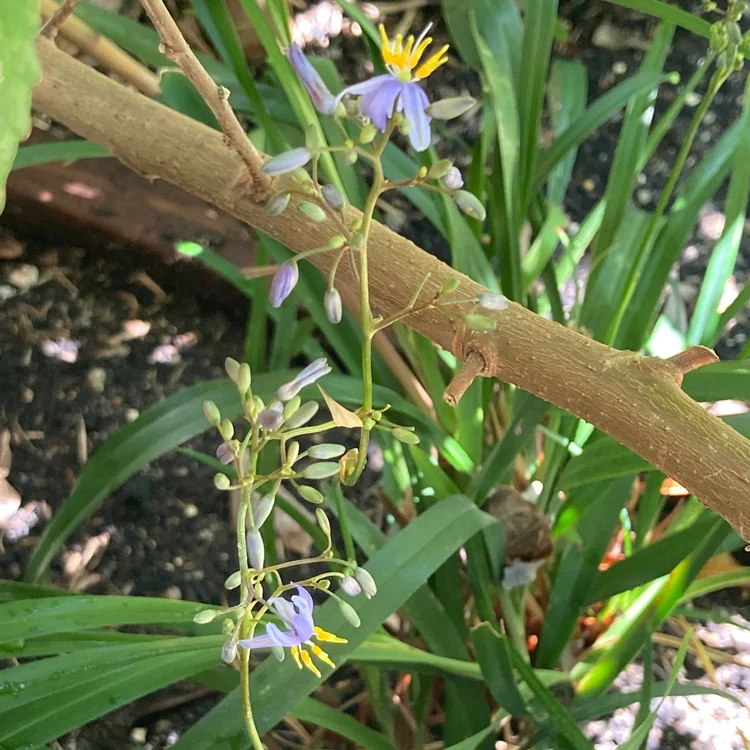
In the shade under our native mulberries, one of the blueberry lily (dianella) plants is producing delicate purple and yellow flowers, which should eventually be followed by edible bright blue berries. Also flowering are the oval-leafed mint, pigface, apple berry, pepper berry, atherton raspberry and (almost) the lilli pilli and native guava. |
|
|
|
|
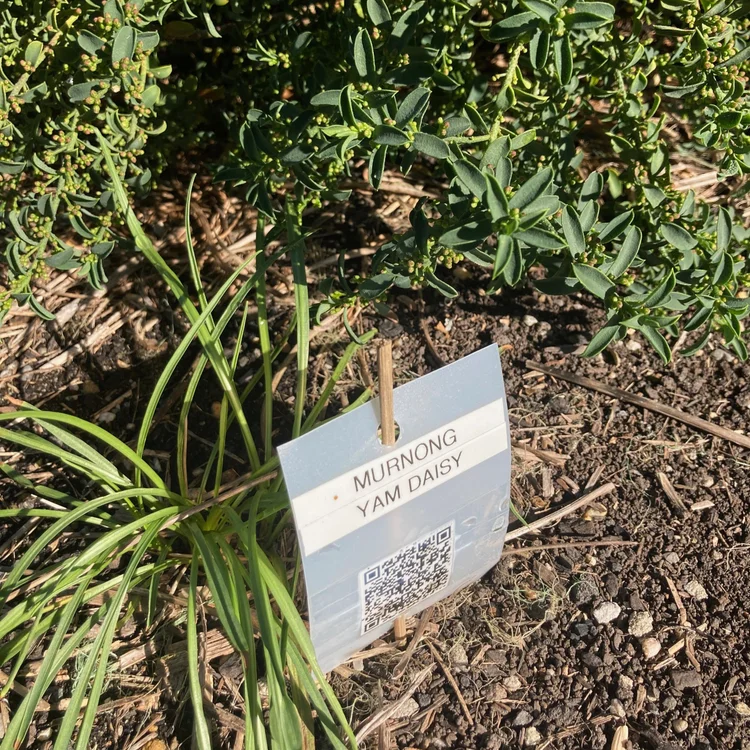
QR codes have now been added to most of the plant labels in the bush food garden, linking to information about both the plant itself and how to use it. In some cases there are even recipes. Check them out next time you’re in the garden. |
|
|
INSIDE A WORKING BEEFor those of you who haven’t yet attended one of our regular working bees, we thought you might like to know what goes on. The short answer is, it depends. There is always compost to be processed, weeding to be done, and usually watering. And the team coordinators will generally have a list of tasks to get things moving. In winter it might be pruning and neatening up in preparation for spring, spreading compost, monitoring and checking for pests. As the weather warms, there are planning discussions – what do we want to plant and where? And then sowing seed or transplanting seedlings, and tending them as they grow. Magic! In summer there are working bees on Wednesdays and Saturdays from 8am (potager garden), and on Sunday from 4pm (kitchen and bushfood gardens).
|
STAY IN TOUCHIn between newsletters, follow us on Instagram, or stay in touch via our various WhatsApp groups. These are intended for practical communications between members about things like rosters or working bees. But they’re also great for sharing photos or useful resources you’ve come across. Let us know if you’re a member and would like to be added to these groups. Hope to see you in the garden!
|
|
|
|