|
Welcome to our first newsletter of 2024. Read news and updates from around the garden - and don’t miss our autumn social on Sunday 10 March.͏ ͏ ͏ ͏ ͏ ͏ ͏ ͏ ͏ ͏ ͏ ͏ ͏ ͏ ͏ ͏ ͏ ͏ ͏ ͏ ͏ ͏ ͏ ͏ ͏ ͏ ͏ ͏ ͏ ͏ ͏ ͏ ͏ ͏ ͏ ͏ ͏ ͏ ͏ ͏ ͏ ͏ ͏ ͏ ͏ ͏ ͏ ͏ ͏ ͏ ͏ ͏ ͏ ͏ ͏ ͏ ͏ ͏ ͏ ͏ ͏ ͏ ͏ ͏ ͏ ͏ ͏ ͏ ͏ ͏ ͏ ͏ ͏ ͏ ͏ ͏ ͏ ͏ ͏ ͏ ͏ ͏ ͏ ͏ ͏ ͏ ͏ ͏ ͏ ͏ ͏ ͏ ͏ ͏ ͏ ͏ ͏ ͏ ͏ ͏ ͏ ͏ ͏ ͏ ͏ ͏ ͏ ͏ ͏ ͏ ͏ ͏ ͏ ͏ ͏ ͏ ͏ ͏ ͏ ͏ ͏ ͏ ͏ ͏ ͏ ͏ ͏ ͏ ͏ ͏ ͏ ͏ ͏ ͏ ͏ ͏ ͏ ͏ ͏ ͏ ͏ ͏ ͏ ͏ ͏ ͏ ͏ ͏ ͏ ͏ ͏ ͏ ͏ ͏ ͏ ͏ ͏ ͏ ͏ ͏ ͏ ͏ ͏ ͏ ͏ ͏ ͏ ͏ ͏ ͏ ͏ ͏ ͏ ͏ ͏ ͏ ͏ ͏ ͏ ͏ ͏ ͏ ͏ ͏ ͏ ͏ ͏ ͏ ͏ ͏ ͏ ͏ ͏ ͏ ͏ ͏ ͏ ͏ ͏ ͏ ͏ ͏ ͏ ͏ ͏ ͏ ͏ ͏ ͏ ͏ ͏ ͏ ͏ ͏ ͏ ͏ ͏ ͏ ͏ ͏ ͏ ͏ ͏ ͏ ͏ ͏ ͏ ͏ ͏ ͏ ͏ ͏ ͏ ͏ ͏ ͏ ͏ ͏ ͏ ͏ ͏ ͏ ͏ ͏ ͏ ͏ ͏ ͏ ͏ ͏ ͏ ͏ ͏ ͏ ͏
|
Welcome to our first newsletter for 2024 – and a special welcome to all the new members who’ve joined us over the past few months. We hope to see you in the garden soon. Just turn up at a working bee once you’ve had your induction, and keep your eye on the WhatsApp groups for other news. Working bee times: Wednesdays and Saturdays 8am–10am, Sundays 4pm–6pm Here’s to a productive year ahead!
|
|
You’re invited!
Our next social gathering
in the garden:
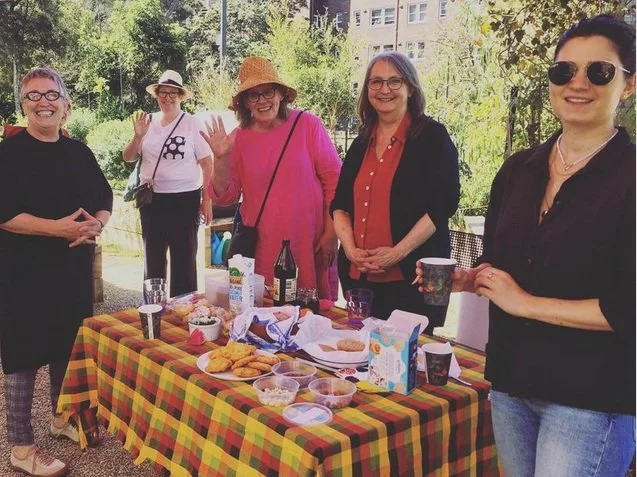
4pm, Sunday 10 MarchAn opportunity for chats and yummy food, as well as guided tours of each garden area, sharing experiences and comparing notes. Old friends and new friends, all welcome. Bring a plate of something to share if you feel like it. Or just turn up!
|
|
|
|
|
|
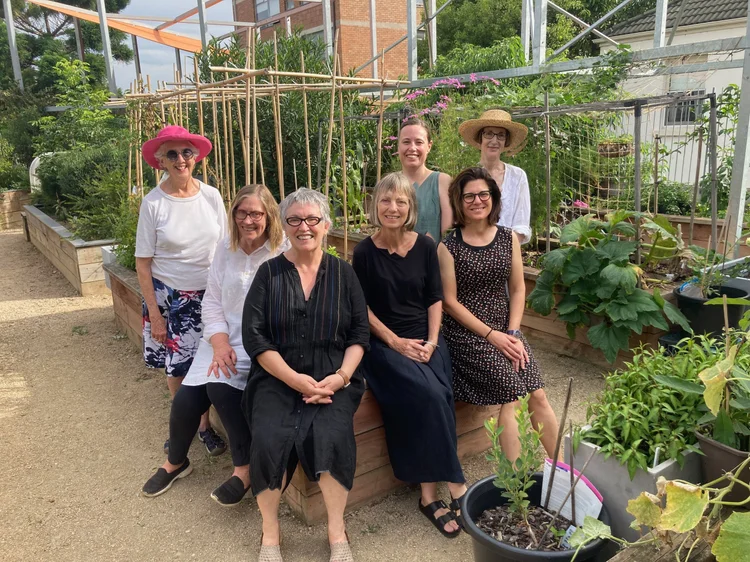
ANNUAL GENERAL MEETING UPDATEIt was great to see such a good turnout at our 2023 Annual General Meeting on 20 November at the Reginald Murphy Community Centre. Members heard reports from Chair Edwina Morris and Treasurer Janine Baker, with plenty of opportunity for lively discussion. You can download the minutes, including a summary of the issues raised and committee responses, from our website: About us. The committee for 2024 was also elected, with all previous members continuing except Fionnuala Heidenreich, who had decided not to stand again this year. Fionnuala made a strong contribution during her time on the committee: the beautiful and informative sign she designed for the garden is a particularly useful legacy. Happily, she will remain as coordinator of the bush food garden. Here’s the committee looking constructive and positive after their first meeting on 4 February (L-R): Terry Chesher, who continues to provide her invaluable insights and experience as an ex-officio member; Cathy Gray, Janine Baker (Treasurer), Helen Panckhurst (Secretary), Edwina Morris (Chair), Jackie Wark, Jo Packer (Deputy Chair).
|
A WELCOME VISITOn a rainy Saturday morning in early February, we were happy to welcome City of Sydney Councillor - and Potts Point local - Adam Worling, who dropped in informally to say hello and find out more about the garden. He’s passionate about seeing ‘waste’ as a resource, and we were very interested to hear about the City’s initiatives in this area. Our collection and use of food scraps from the community already makes a positive contribution, and we’d like to explore opportunities to build on this, perhaps in conjunction with other community gardens.
|
|
All areas of the garden have been flourishing in the warm and humid weather, tended by their teams of dedicated member volunteers. Remember, everyone is welcome to drop in during working bees - even if it’s just to say hello and find out what’s happening. Whatever level of involvement you can offer, it’s always appreciated.
|

|
In the RAMBLING POTAGER GARDEN, all the summer plantings have thrived - especially the cucumbers and zucchini. This happy zucchini vine really loved its position next to the compost bins. The exotic spinach varieties – surinam, malabar, brazilian – also did well, coming back strongly after a hiatus over the cooler months. |
|
|
The tromboncini – Italian heirloom squash – have been a great success, grown up the fence to save space. These interesting-looking vegetables are usually harvested as summer squash before they reach the size of the one Helen is brandishing in the photo. But even this was reportedly delicious. The seeds are found only in the bulb at the end, like a butternut squash, with the flesh of the long ‘neck’ remaining firmer when cooked. |
|

|
|
|
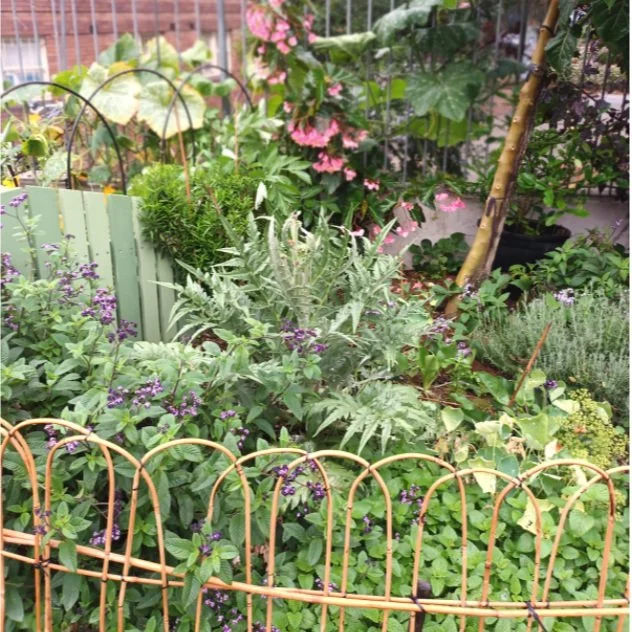
You might have noticed the stylish new bamboo fence around the garden bed just outside the front gate – home to some lovely purple heliotrope, and shaded by ripening tamarillos. Designed to discourage our canine friends, the fence was hand-crafted over several weeks by the potager team – Janine Baker in particular. Quite a work of art, and effective too! |
|
|
|
The potagers are now busy starting seeds and clearing spots in the garden for new cooler-season plantings, including bok choy, broccoli and other brassicas, leafy greens and herbs such as coriander, dill and basil. Potager garden working bees: 8-10am, Wednesdays and Saturdays.
|
|
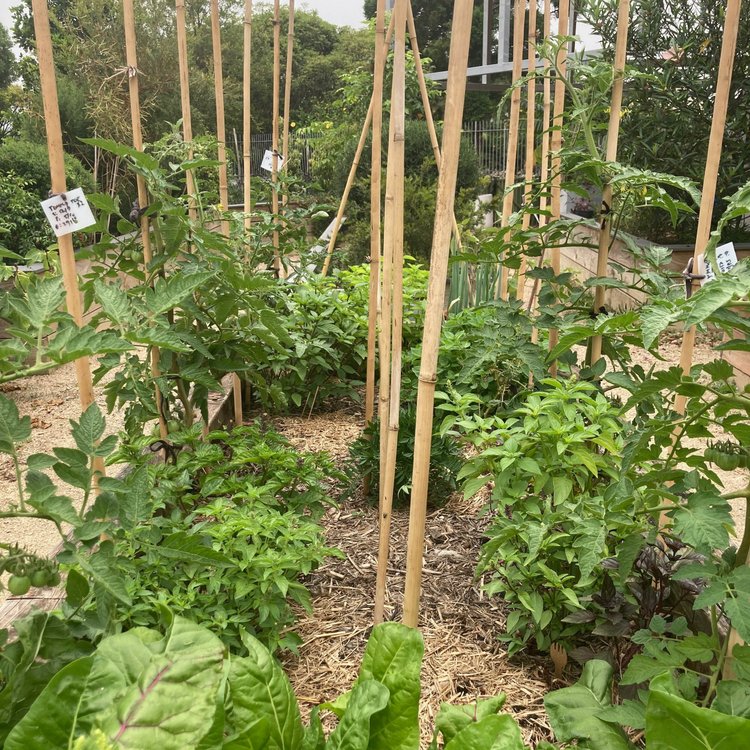
In the KITCHEN GARDEN, five varieties of heirloom tomato started vigorously, then unfortunately fell prey to fungal diseases that cut short the harvest. But the many varieties of basil sown as companion plants in the tomato beds - cinnamon, lemon, lime, licorice, ‘blue spice’, Thai purple - are still going strong. They’re great in summer cocktails, and make a uniquely fragrant ice cream. Try it yourself. |
|
|
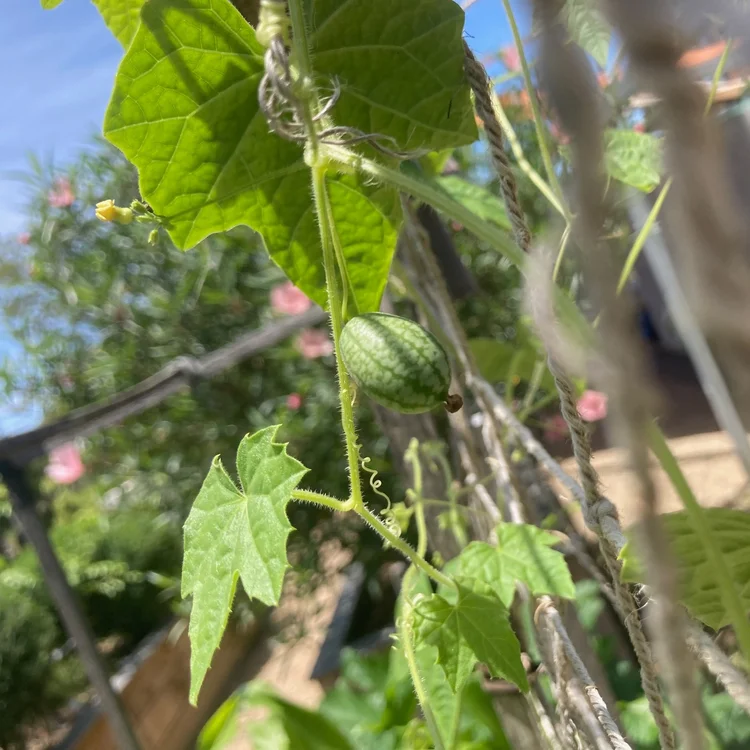
Probably our favourite summer planting in the kitchen garden is the cute-as-a-button cucamelon (Melothria scabra aka Mexican sour gherkin or mouse melon). This vigorous climber is neither a cucumber nor a melon, despite its grape-sized fruit looking like a mini-watermelon and tasting like a cucumber with a bit of lemony zing. And it’s so easy-going - doing its thing, untroubled by pests or diseases. Love it! |
|
|
|
|
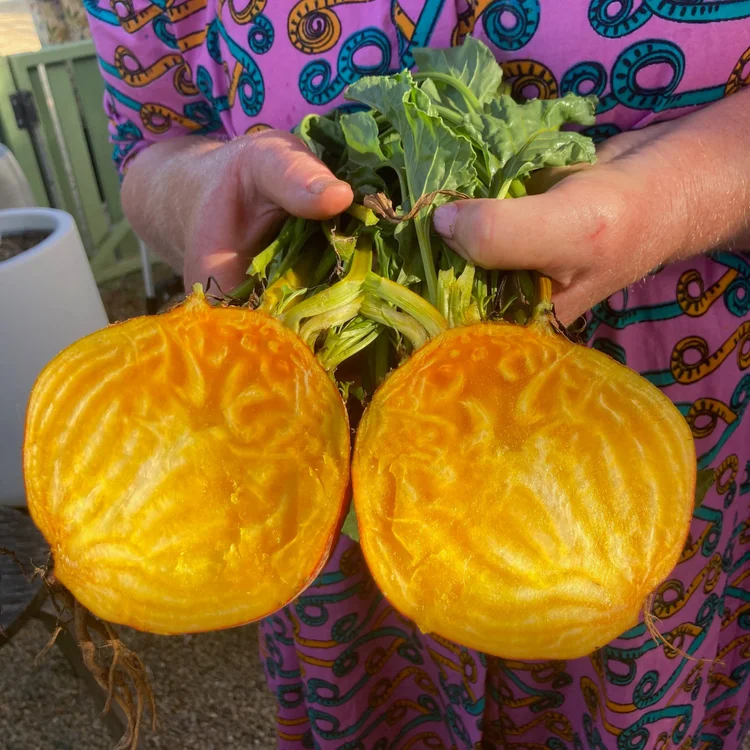
And we just have to mention this amazing golden beetroot. Overlooked for harvesting at the end of winter among the rainbow chard (they are related, and the leaves look quite similar), it grew to be enormous. But despite its size it was very sweet and not woody at all. And such a colour! Needless to say, golden beets are on the agenda for winter again. |
|
|
|
Plans for cool season crops include brussel sprouts (following last year’s success with the ‘red ribs’ variety), peas and beans, leafy greens such as gai lan (chinese broccoli) and English spinach, as well as root crops like beets and baby carrots. The team will also continue to replenish the herbs in the ‘people’s bed’ along the fence. Kitchen garden working bees: 4-6pm Sundays (3-5pm in winter)
|

|
In the BUSH FOOD GARDEN, now entering its third year, summer brought flowers and - excitingly - fruit. The native mulberry (Pipturus argenteus) remains a star, with its branches covered in these sweet little white berries. Yum! You’ll find the tree against the fence near the shed. Fast-growing and robust, it has thrived - possibly a bit too much! - in this summer’s warmth and humidity. Find out more. |
|
|
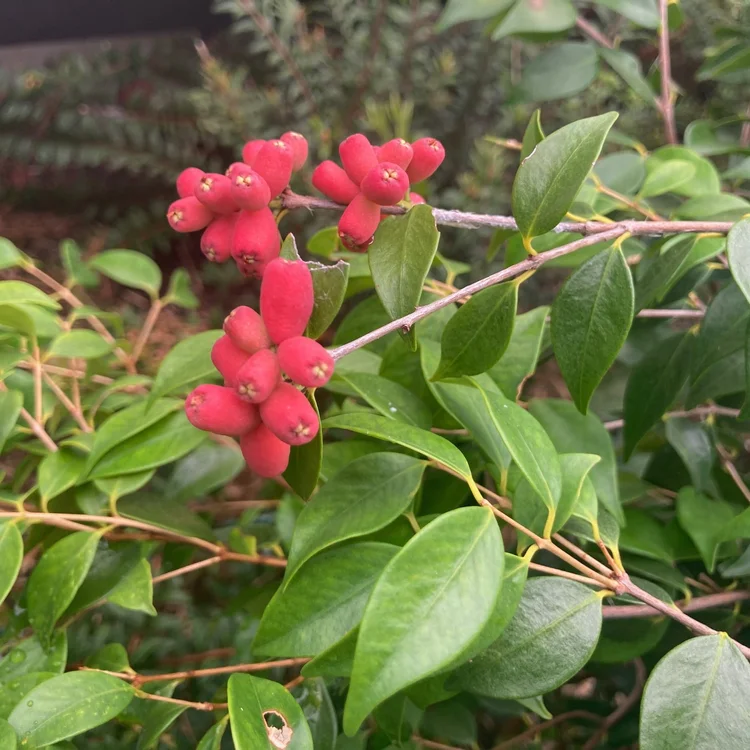
The festive fruit of the lilly pilly riberry (Syzygium leuhmanni) began to appear in December just in time for Christmas. Its bright red berries are not only high in antioxidants, vitamins and minerals, but have a tart spicy flavour reminiscent of cinnamon and cloves. They’re delicious straight off the bush as well as cooked in tarts, jams. or cordials.
Find out more. |
|
|
|
|
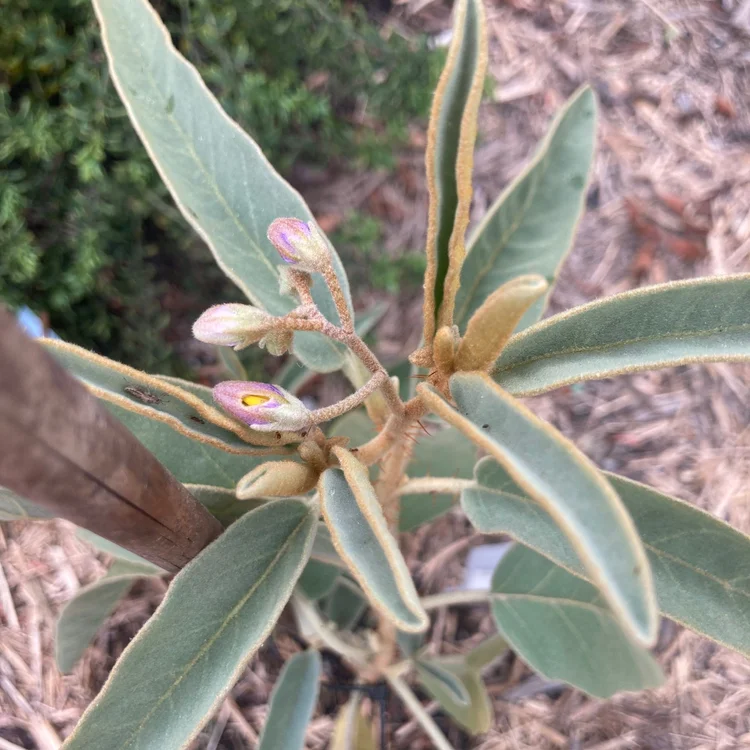
Most rewarding of all, perhaps, are the flower buds that have just begun to appear on our bush tomato (Solanum centrale aka ‘kutjera’ or desert raisin). Native to Australia’s arid regions, this little bush was planted a year ago after treating the seed with smoke to help germination. Its small fruits, which are eaten after they ripen and dry on the plant, taste like caramelised tamarillo, with a spicy aftertaste. Double-yum! |
|
|
|
Don’t forget to explore the QR codes on many of the plant labels in the bush food garden. Check them out next time you visit. They’ll take you to information about the plant, including its use by First Nations people. Bush food garden working bees: As required but usually Sunday afternoons.
|
|
Focusing on the wonderful things you see in the garden if you look closely enough.
|
|
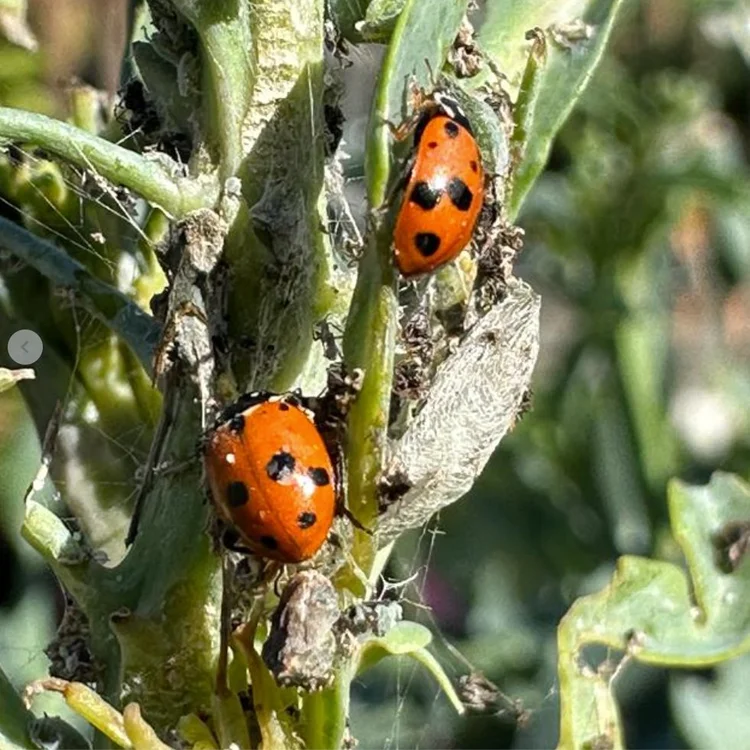
LOVELY LADYBIRDS We’re always overjoyed when ladybirds (aka ladybugs or ladybeetles) make a plant in the garden their home. They love to eat aphids, mites and scale insects, as well as the powdery mildew that often forms on the leaves of cucurbits like squash, zucchini or cucumbers. |
|
|
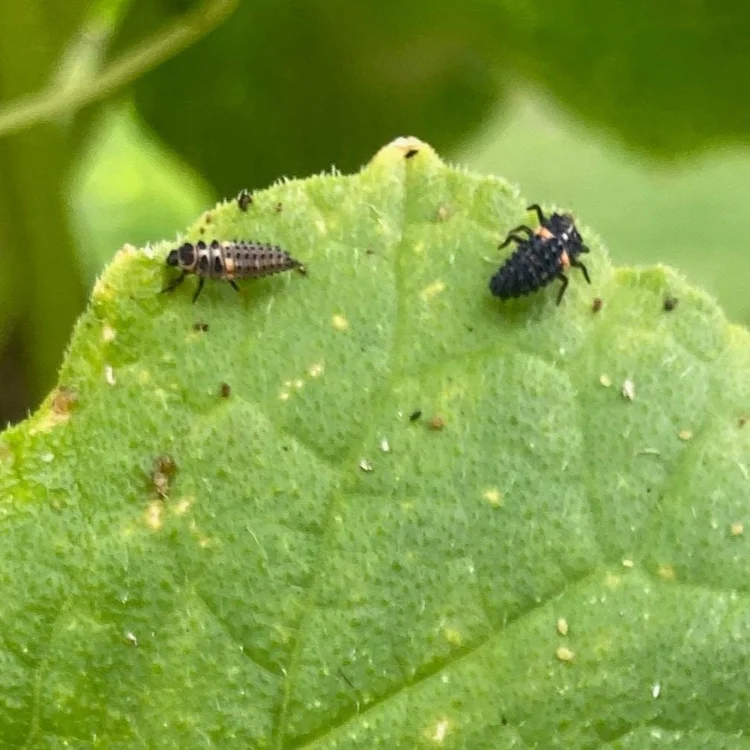
Ladybirds are our friends at every stage of their lifecycle. What might look like altogether different insects in the photo are actually ladybird larvae, tucking into some aphids on the cucumber plant in the kitchen garden. There are hundreds of species in Australia, most of them beneficial. One ‘villain’ is the 28-spotted or leaf-eating ladybird, which is worth learning to identify. |
|
|
|
|
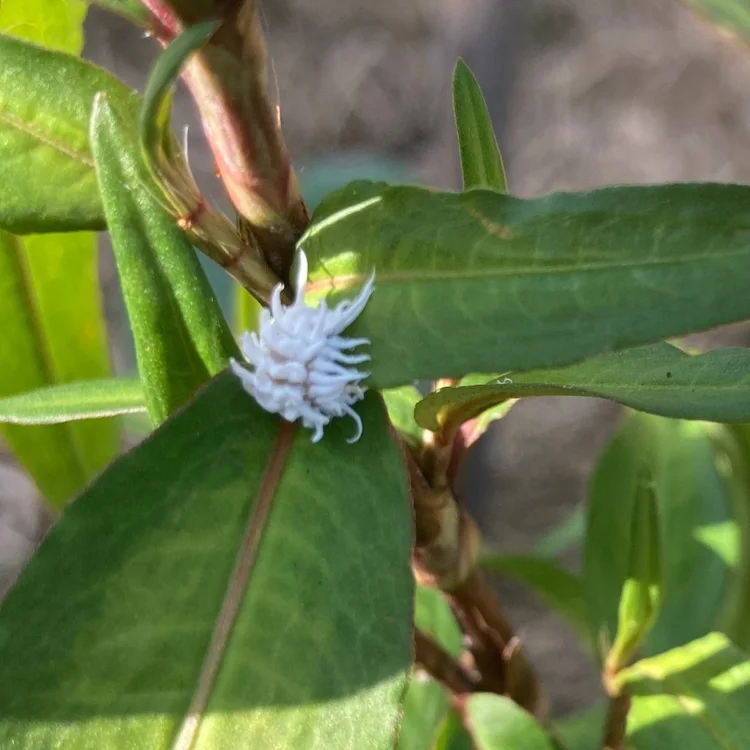
A good example of the variety of beneficial species is the mealybug destroyer (Cryptolaemus montrouzieri) a ladybird native to Australia that feeds mainly on mealybug and soft scale insects. Its larvae - as you can see in the photo - are cleverly disguised as mealybugs! A good reason to look very closely before brushing off what you think is a pest.
Find out more. |
|
|
APPRECIATING THE LOCALSWe want to specially acknowledge Hass, the proprietor of St Blue cafe right next to the garden, who for the past few months has been providing us with coffee husks (for the compost) and hessian bags (for the worm farms) sourced from his roasting supplier. Hass is a bit of a gardener too, and is always up for a chat. He makes truly excellent coffee, and you can also pick up a jar of his dad’s honey.
|
|
|
St Blue’s Hass and Linda - a great addition to the neighbourhood. |
|
STAY IN TOUCHIn between newsletters, follow us on Instagram, or stay in touch via our various WhatsApp groups. These are intended for practical communications between members about things like rosters or working bees. But they’re also great for sharing photos or useful resources you’ve come across. Let us know if you’re a member and would like to be added to these groups. And don’t forget, there are working bees on Wednesdays and Saturdays from 8am (potager garden), and on Sundays from 4pm (kitchen and bushfood gardens). Hope to see you in the garden!
|
|
|
|